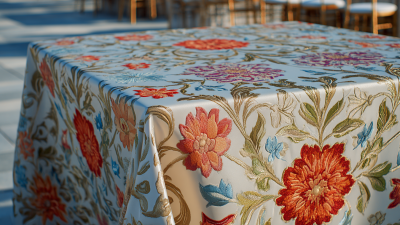
What Is a Fitted Tablecloth?
A Fitted Tablecloth is designed to sit closely over a table, rather than hang loosely from its edges. It usually includes elastic, shaped corners, or tailored seams. These details help keep the cloth in place during meals, exhibitions, markets, and outdoor gatherings. The result feels cleaner and more controlled. Less shifting. Less adjustment.
Textile designer William Morris once said, “Have nothing in your houses that you do not know to be useful, or believe to be beautiful.” That principle suits the Fitted Tablecloth well. A practical cover should protect the tabletop, reduce visible wrinkles, and support a polished setting. Its fabric also matters. Polyester offers durability and easy cleaning, while cotton blends may provide a softer, more natural appearance. Some choices still involve compromise. A thicker fabric can look richer, but it may take longer to dry.
Accurate measurement remains essential. Measure the tabletop length, width, and height before ordering. A loose fit can look untidy. An overly tight fit may strain the seams or elastic. I have found that small measurement errors become obvious under bright event lighting. That is easy to underestimate.
This guide explains how a Fitted Tablecloth works, where it performs best, and what details deserve careful attention. It also considers maintenance, fabric selection, and common fitting mistakes. A fitted cover is not automatically better. It must match the table, setting, and daily demands.
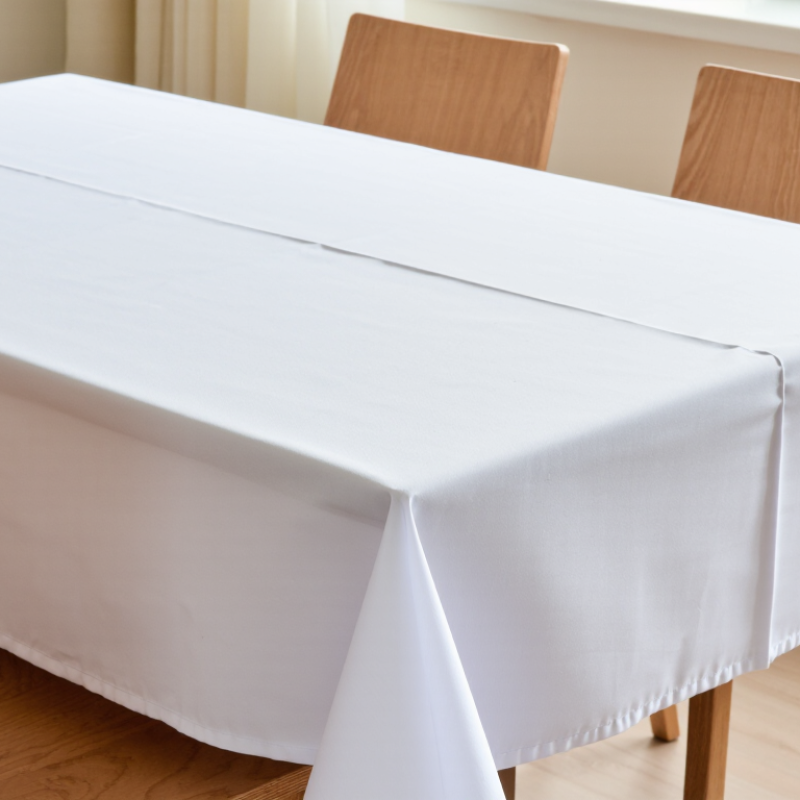
A fitted tablecloth is a fabric cover tailored to stay close to a table’s shape. Unlike a loose cloth, it uses elastic edges, corner seams, or an under-table fastening system. The result is a smoother surface with fewer hanging folds.
It works especially well on banquet tables, display counters, and outdoor dining tables where movement is common. Some designs fit rectangular tables, while others suit round or square tops.
Measurement still matters. A few centimeters of error can create wrinkles or pull the stitching.
Its core features include accurate dimensions, stable fabric, reinforced seams, and controlled stretch. Polyester blends are common because they resist creasing and dry quickly. Cotton-rich fabrics feel softer but may shrink after washing.
The 2024 Textile Exchange Materials Market Report recorded global fiber production at about 124 million tonnes in 2023. This scale increases attention on recycled fibers and longer product use.
However, recycled content alone does not prove better performance. A fitted cloth still needs abrasion, colorfastness, and seam-strength testing. Standards such as AATCC 61 and ASTM D5034 can support these checks.
Practical experience reveals small weaknesses. Tight elastic can protect the fit, yet it may stress corners during repeated laundering. A heavier fabric looks substantial, but it can trap moisture outdoors.
Grand View Research’s home textiles analysis projects continued market growth through 2030, partly driven by demand for functional household products.
That trend supports fitted designs, although convenience should not replace careful measurement, washable construction, and honest care instructions.
Slim seams help. Not every table is truly standard.
A fitted tablecloth is designed to follow a table’s exact shape and edges. It usually uses elastic corners, sewn panels, or tailored seams. The fabric stays close to the tabletop and hangs evenly around the sides. In busy dining areas, this close fit can reduce slipping, snagging, and accidental pulling.
A standard tablecloth offers a looser, more traditional appearance. Its fabric drops freely over the edges and may gather at the corners. This style works well when you want a soft, decorative look. However, excess material can brush against knees or catch on chair arms. A fitted cloth usually creates a cleaner outline, especially on folding tables or outdoor furniture.
Measurements matter more with fitted designs. Measure the tabletop length, width, and height before choosing one. A few centimeters can change the result. The cloth may look smooth but feel tight. I once assumed a “universal” size would fit every table, but that assumption was wrong. Shapes, corner angles, and table thickness vary considerably.
Fitted tablecloths can also be easier to maintain during regular use. They are less likely to drag across the floor or shift during serving. Still, removing a tight cover may take extra effort after washing. Check the care instructions and allow for possible fabric shrinkage. A reliable fit should balance neat appearance, comfortable access, and practical cleaning.
A fitted tablecloth uses sewn corners or elastic edges to stay close to the tabletop. It creates a neat surface without loose fabric hanging across walkways. In event settings, this shape can also reduce shifting when guests brush against the table.
Material affects appearance, care, and durability. Polyester remains a practical choice because it resists wrinkles and dries quickly. The Textile Exchange Materials Market Report 2024 states that polyester represented about 57% of global fiber production in 2023. Cotton accounted for roughly 19%. These figures describe the wider textile market, not tablecloth sales, but they explain why both fibers remain common. Cotton feels softer, yet it usually needs more ironing and careful washing.
Shape must match the table. Round cloths suit 36-, 48-, 60-, and 72-inch tables. Rectangular cloths commonly fit six-foot or eight-foot banquet tables. Square cloths work well on square café tables, but they should not be forced onto round tops. Measure the tabletop, including its thickness. Then check the product’s size chart. A cloth listed for a 60-inch table may fit poorly if the table has a deep edge or folding hardware.
Fit is not always perfect. Tables from different manufacturers can vary by several centimeters. Measure twice. A slightly loose cover may still look better than one that strains at the corners. Industry laundering guidance also favors checking shrinkage before repeated commercial use, especially with cotton blends.
What Is a Fitted Tablecloth?
A fitted tablecloth is made to sit closely over a table’s surface and edges. Its shaped corners, elastic, or tailored seams help prevent loose fabric from slipping. This style creates a neat appearance, especially on dining tables, folding tables, and outdoor surfaces. The fit depends on accurate measurements, not guesswork.
How to Measure a Table for the Right Fit
Measure the tabletop length from edge to edge. Then measure the width across the center. For a round table, measure straight across the widest point to find its diameter. Include the tabletop thickness if the cloth will cover the sides. Decide how far the fabric should drop before measuring. A short drop may look modern, while a longer drop offers more coverage. Write each measurement down. My first measurement was slightly off because I measured around a decorative edge. Rechecking the flat surface would have prevented that mistake.
Tips
Use a firm tape measure. Keep it level. Measure twice. Check whether the table has rounded corners, extensions, or an unusual shape. Add only the drop you actually need. Too much extra fabric can create wrinkles and interfere with chairs. If the table has leaves, measure it both expanded and closed. Fitted cloths can fit differently after small changes. Product sizing charts may also use finished dimensions, so compare them carefully with your notes.
A fitted tablecloth is designed to follow the shape and edges of a table closely. To select the correct size, measure the tabletop first and then add the desired drop length to each side.
| Table Shape | What to Measure | Recommended Formula | Example Table Size | Example Fitted Cloth Size |
|---|---|---|---|---|
| Rectangular | Measure the length and width of the tabletop. | Cloth length = table length + 2 × drop Cloth width = table width + 2 × drop |
72 × 30 in | 84 × 42 in with a 6 in drop |
| Square | Measure one side of the tabletop. | Cloth side = table side + 2 × drop | 36 × 36 in | 48 × 48 in with a 6 in drop |
| Round | Measure straight across the center to find the diameter. | Cloth diameter = table diameter + 2 × drop | 48 in diameter | 60 in diameter with a 6 in drop |
| Oval | Measure the longest length and the widest width. | Cloth length = table length + 2 × drop Cloth width = table width + 2 × drop |
60 × 36 in | 72 × 48 in with a 6 in drop |
| Banquet or conference | Measure the full tabletop, including any extensions currently in use. | Cloth length = total table length + 2 × drop Cloth width = table width + 2 × drop |
96 × 30 in | 108 × 42 in with a 6 in drop |
| Drop Length | Typical Appearance | Suitable Use | Measurement Note |
|---|---|---|---|
| 6–8 in | Short drop that covers the tabletop edge and part of the apron. | Everyday dining and casual settings. | Add twice the selected drop to both table dimensions. |
| 10–12 in | Moderate drop with more side coverage. | Dining rooms, celebrations, and catered events. | Check that chairs can move freely beneath the cloth. |
| 15 in | Longer drop that reaches farther down the table sides. | Decorative or semi-formal table settings. | Allow extra fabric for hems and possible fabric shrinkage. |
| Floor-length | The cloth falls close to the floor on all sides. | Formal displays, buffet tables, and event décor. | Measure from the tabletop to the desired floor position, then add twice that drop. |
| 1. Clear the table | Remove tableware, centerpieces, leaves, and removable extensions that will not be used. |
| 2. Measure the tabletop | Use a flexible tape measure. Record the length, width, diameter, or side measurement in inches or centimeters. |
| 3. Check the table shape | Choose a cloth made for the same basic shape. A round cloth and a square cloth will drape differently, even when their surface areas are similar. |
| 4. Select the drop | Choose a short, moderate, or floor-length drop according to the intended use and the available space around the table. |
| 5. Apply the formula | Add twice the desired drop to each relevant tabletop measurement. For example, a 60 × 30 inch table with a 10 inch drop requires a cloth measuring approximately 80 × 50 inches. |
Uses, Benefits, and Care Instructions
A fitted tablecloth is designed to hug a table’s edges securely. Elastic corners or tailored seams help prevent shifting during meals, meetings, and outdoor gatherings. Its neat shape gives the table a cleaner appearance without constant adjustments. It can also protect the surface from crumbs, spills, scratches, and warm serving dishes. Choose the correct length, width, and depth for a close fit. A cloth that is too tight may strain the seams. One that is too loose can bunch noticeably.
Care depends on the fabric, so always check its washing instructions first. Remove spills quickly with a clean, damp cloth. For washable materials, use a gentle cycle and mild detergent. Avoid harsh bleach unless the care label specifically permits it. Air-drying often helps reduce shrinkage and protects elastic edges. Ironing may flatten the fitted shape, especially on synthetic fabrics. Even careful measuring can be slightly wrong, particularly with rounded or uneven tables.
Tips: Measure the tabletop and its depth before buying or sewing. Test the cloth on an empty table first. Keep sharp decorations away from the fabric. Fold it loosely after drying to limit stubborn creases. If stains remain, repeat gentle cleaning instead of scrubbing aggressively. Check the corners occasionally; stretched elastic can reduce the secure fit.