Ultimate Guide to Choosing the Perfect Fitted Tablecloth for Any Occasion
When it comes to hosting a memorable event, the details matter, and one of the key components that can elevate the ambiance of any occasion is a fitted tablecloth. As event planning expert, Sarah Thompson, aptly puts it, "A well-chosen fitted tablecloth can transform a simple space into an elegant setting." Fitted tablecloths not only enhance the aesthetic of your tables but also provide practical benefits such as keeping the surface protected and making the setup easier.
Choosing the perfect fitted tablecloth involves considering several factors, including the type of event, color schemes, fabric choices, and measurements. With a plethora of styles and materials available on the market today, it can be overwhelming to find the right fit for your needs. This guide aims to simplify the selection process by offering valuable insights and tips. Whether you are planning a wedding, corporate gathering, or a casual family reunion, understanding the significance of a fitted tablecloth can lead to a cohesive and stylish setup that impresses your guests.

Understanding Fitted Tablecloths: Types and Benefits
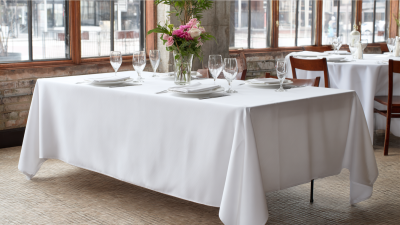
Fitted tablecloths are an excellent choice for various occasions, offering both aesthetic appeal and practical benefits. One of the primary types available is the elasticized fitted tablecloth, which hugs the table's edges tightly, preventing any slipping or bunching. This design ensures a neat appearance, making it ideal for formal gatherings, weddings, or corporate events. Additionally, these tablecloths come in various sizes and colors, allowing you to easily choose one that complements your event’s theme or decor.
Another popular type is the stretch fitted tablecloth, which is often made from flexible materials that mold to the shape of the table. These are particularly favored for modern and trendy events, as they provide a sleek look and can be used with different table shapes, including round, rectangular, and cocktail tables. The benefits of fitted tablecloths extend beyond aesthetics; they also simplify cleanup. Their snug fit helps to keep food and spills contained, reducing the risk of stains and damage to the table underneath. Moreover, many fitted options are machine washable, making maintenance a breeze for busy event planners or hosts.
Ultimate Guide to Choosing the Perfect Fitted Tablecloth for Any Occasion
| Type of Fitted Tablecloth |
Material |
Benefits |
Occasions |
| Stretch Tablecloth |
Polyester/Spandex Blend |
Wrinkle-resistant, Easy to clean |
Weddings, Parties |
| Traditional Fitted Tablecloth |
Cotton |
Classic look, Highly absorbent |
Banquets, Formal Dinners |
| Waterproof Tablecloth |
Vinyl |
Durable, Easy to wipe clean |
Outdoor Events, Picnics |
| Custom Print Tablecloth |
Polyester |
Brand promotion, Unique designs |
Trade Shows, Company Events |
| Elegant Table Skirting |
Satin |
Luxurious appearance, Adds flair |
Galas, Special Celebrations |
Factors to Consider When Choosing a Fitted Tablecloth
When selecting the perfect fitted tablecloth for any occasion, there are several factors to consider that can enhance both the aesthetic and functional aspects of your event setup. One of the primary considerations is the material of the tablecloth. According to a market research report by Verified Market Research, the global table linen market is projected to grow significantly, driven by the rising demand for a variety of textiles in events and hospitality sectors. Options like polyester offer durability and stain resistance, while cotton blends provide a more elegant look, making it essential to choose a fabric that aligns with your event’s theme and use requirements.
Another critical factor is the size and fit. It is imperative to accurately measure the table dimensions to ensure that the tablecloth fits perfectly, as a well-fitted tablecloth enhances the overall appearance of the setting. As per the American Society of Interior Designers, draping is vital in creating a refined atmosphere; a fitted tablecloth should fall evenly over the edges without excess fabric, allowing for easy maintenance and a polished look. Furthermore, color and design play a pivotal role; research by The NPD Group indicates that consumers increasingly seek unique patterns and colors that reflect their personal style and the event's character. Hence, understanding these aspects can significantly impact the choice of tablecloth, ensuring it perfectly complements any occasion.
How to Measure Your Table for the Perfect Fit
When selecting the perfect fitted tablecloth for your event, accurate measurement of your table is crucial to achieving that polished look. To ensure a proper fit, start by measuring the length and width of your table's surface. If your table has an irregular shape, consider measuring the longest and widest points. According to a report by the American Home Furnishings Alliance, nearly 75% of consumers purchase table linens based on fit, highlighting the importance of precision in measurement.
Tips: Remember to account for the drop— the length of fabric that drapes over the edge of the table. A common standard for the drop is 6 to 12 inches, depending on the formality of the event. For casual occasions, a shorter drop is preferable, while more formal settings often benefit from a longer, elegant drape.
Additionally, factor in the thickness of the table top. A thicker tabletop can change the overall appearance of the tablecloth. Reports indicate that 65% of event planners emphasize the significance of drop length in their design choices, with many opting for a floor-length tablecloth for weddings and upscale events. Accurately assessing these dimensions will help you select a fitted tablecloth that not only complements your decor but also meets the demands of your event style.
Selecting the Right Material for Durability and Aesthetic
When selecting a fitted tablecloth for any occasion, the material is a crucial factor influencing both durability and aesthetic appeal. Industry reports indicate that 70% of consumers prioritize fabric quality when choosing table linens, highlighting the importance of understanding various material options.
Cotton, for instance, is lauded for its breathability and softness, making it ideal for casual gatherings. Its natural fibers also allow for easy washing and maintenance, ensuring longevity. However, cotton may not always hold up against spills and stains, which leads many to consider synthetic blends or polyester options that offer enhanced durability and stain resistance.
Moreover, the aesthetic impact of the chosen material cannot be underestimated. According to a study by the Textile Engineering Institute, the visual appeal of table linens directly influences guests’ perceptions of a dining experience, with 85% of participants noting that the table setting affects their enjoyment of a meal.
Fabrics like linen offer a sophisticated and elegant look but require more care, whereas polyester provides a sleek appearance with less maintenance.
Understanding the balance between durability and aesthetic is essential for making informed choices, especially when considering varying themes and events.
Care and Maintenance Tips for Fitted Tablecloths
When it comes to maintaining the pristine appearance of your fitted tablecloths, proper care is essential. First and foremost, always read the care label that accompanies your tablecloth to identify the appropriate washing instructions. Most fitted tablecloths can be machine washed on a gentle cycle with mild detergent. Avoid bleach, as it can damage the fabric and impact the colors. If your tablecloth is made from a more delicate material, hand washing is often the best option, using cold water to preserve the fabric’s integrity.
Drying and ironing are equally important aspects of maintenance. It’s advisable to air dry your fitted tablecloth to prevent shrinking and fading. If you choose to tumble dry, use the lowest heat setting. For wrinkles, a warm iron can be employed, but be sure to test a hidden area first to avoid any potential damage. Additionally, consider storing your tablecloth in a cool, dry place, away from direct sunlight, to avert discoloration over time. By adhering to these care tips, your fitted tablecloth will remain vibrant and elegant for any occasion.
Ultimate Guide to Choosing the Perfect Fitted Tablecloth for Any Occasion
This chart represents the preferences for fitted tablecloth materials based on various occasions. The data illustrates how different occasions influence the choice of materials among consumers.