Leave Your Message

What Is a Square Tablecloth and How Do You Choose One?

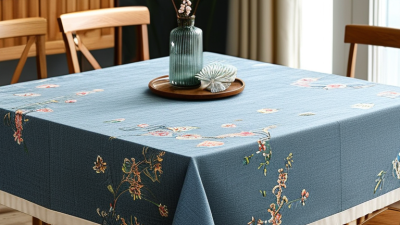
A Square Tablecloth is more than a decorative layer. It frames the table, protects its surface, and shapes the mood of a meal. Its four equal sides create balanced corners, making it suitable for square tables, compact dining areas, card tables, and occasional outdoor settings. However, choosing one is not as simple as matching colors.

A practical starting point is measurement. Measure the tabletop from edge to edge, then add twice the preferred drop length. A 20-inch drop gives a relaxed look, while a shorter drop feels cleaner and works better around active dining chairs. Textile designer William Morris offered a useful principle: “Have nothing in your houses that you do not know to be useful, or believe to be beautiful.” That idea fits table linens well. A cloth should look attractive, but it must also wash easily and stay in place.

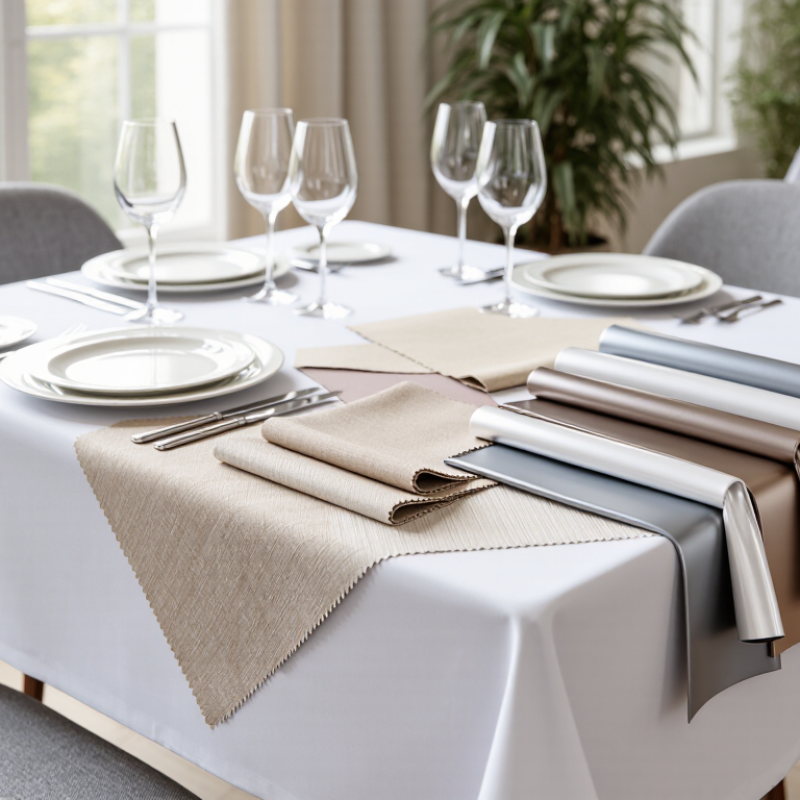
Fabric changes the experience. Cotton feels familiar and handles repeated washing. Linen adds texture, though it wrinkles easily. Polyester resists stains and often suits busy households. A coated fabric can help outdoors, but it may feel less soft. Check the weave, stitching, care label, and colorfastness before buying. White can brighten a room, yet it shows every spill. Dark shades hide marks, but they may fade in strong sunlight.

There is no perfect Square Tablecloth. Some choices look excellent online and disappoint under real dinnerware. Consider the table’s height, daily use, storage space, and your willingness to iron. Small details matter. Sometimes, practical wins over fashionable.
What Is a Square Tablecloth and How Do You Choose One?

What Is a Square Tablecloth?

A square tablecloth is a fabric covering made for a square table. Its four equal sides usually create a balanced drop over each edge. It may also fit a round table, but the corners will hang lower and form a different look. The cloth can protect the tabletop from crumbs, spills, heat, and small scratches. It also changes the room’s visual character.

Measure the tabletop before buying one. Add twice the desired drop to each table dimension. For example, a 36-inch square table needs a 60-inch square cloth for a 12-inch drop. A shorter drop looks neat for daily meals. A longer drop feels more formal, but it may touch diners’ knees. Check the table height, too. This detail is easy to miss.

Cotton feels soft and suits frequent washing. Linen looks textured and usually wrinkles more. Polyester resists many spills, though it can feel less natural. In my experience, a washable fabric works best for busy kitchens. I once chose a cloth by color alone. It looked attractive, but the corners dragged against the chairs. That choice taught me to check measurements and fabric weight together. A square tablecloth should fit the table’s use, not only its shape. Even a small mismatch can make the setting feel awkward.
How to Measure a Table for the Right Fit

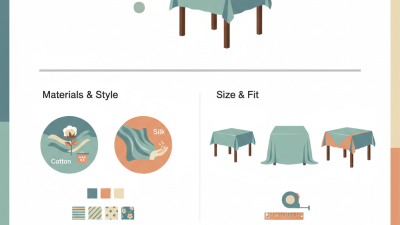
A square tablecloth is a four-sided covering designed for a square table. Its corners usually fall evenly toward the floor. The right size depends on the tabletop and the desired drop, not the chair height. Measure the tabletop from edge to edge. Take the measurement in two directions. A square table should show matching results. If the numbers differ, the table may be slightly irregular.

Choose the drop before calculating the cloth size. For everyday dining, a 6- to 10-inch drop often looks practical. A more formal setting may need 12 to 15 inches. Add twice the chosen drop to one tabletop measurement.

For example, a 40-inch table with an 8-inch drop needs a 56-inch square tablecloth.

Measure the table with any extension leaves installed. Do not measure only its smallest shape. That mistake is common.

Check the table thickness and edge profile, too. A thick apron can make a shorter drop appear less generous. Washable fabric may shrink, so inspect the care instructions and allow extra room when needed. I once measured only the tabletop and ignored the overhang. The cloth looked neat, but it barely covered the edges. That experience changed my method. Lay a measuring tape across the center, record every dimension, and compare the finished size with your notes. A slightly longer drop is usually easier to adjust than one that falls short.

Which Fabrics and Styles Suit Different Needs?

A square tablecloth covers a square table evenly, with matching drops on all four sides. Measure the tabletop, then add twice your preferred drop. A 60-inch table with a 10-inch drop needs an 80-inch square cloth. For dining, a 10-to-15-inch drop usually looks balanced. Longer drops create a formal effect but may catch knees or serving dishes.

Fabric should follow the room’s demands. Cotton feels breathable and soft, making it useful for daily meals and casual entertaining. Linen offers a textured, relaxed appearance, although it wrinkles quickly. That imperfection can look intentional. Polyester resists stains and dries faster, which suits restaurants, children, or frequent washing. Textile Exchange’s 2024 Materials Market Report states that polyester represented about 57% of global fiber production in 2023, while cotton accounted for roughly 22%. These figures show availability, not automatic quality.

Style also changes performance. A plain square cloth highlights ceramic plates and wooden tables. A checked pattern hides small marks better than pale solid colors. For outdoor use, choose a tighter weave and test colorfastness before sunlight exposure. Recycled fibers may support lower-impact purchasing, but their environmental benefit depends on processing and durability. The same report warns that fiber volume alone cannot measure sustainability. That matters. A beautiful cloth that shrinks after one wash is a poor choice, despite its attractive label. Look for washable construction, secure hems, and dimensions that allow modest shrinkage.

What Is a Square Tablecloth and How Do You Choose One?

Fabric suitability for common tablecloth needs

A square tablecloth is designed for a square table and usually hangs evenly on all four sides. To choose the right size, add twice the desired drop to the tabletop width. For example, a 36-inch square table with a 12-inch drop needs approximately a 60-inch square tablecloth.

The chart uses a practical 1–5 guide rating based on common fabric characteristics: ease of care, stain resistance, breathability, and formal appearance. Cotton and linen suit natural, elegant settings; polyester and cotton blends are practical for frequent use; oilcloth is especially useful for easy-clean dining areas.

How to Choose the Best Color and Pattern

A square tablecloth is designed for tables with equal-length sides, creating balanced drops at every corner. Its color and pattern can change the room’s entire mood. Before choosing, observe your existing chairs, walls, dishes, and lighting. A cloth may look soft in a shop but appear brighter under warm indoor bulbs.

Neutral colors, such as ivory, sand, or pale gray, suit frequent dining and make tableware more noticeable. Deep green, navy, or rust can add warmth during colder seasons. For small rooms, lighter shades usually feel less crowded. However, pure white may require more washing than expected. I learned this after using it for a family meal with tomato sauce.

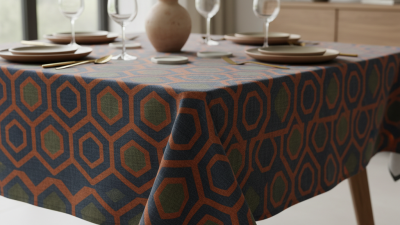
Patterns need careful scale. Small checks or tiny florals work well on compact tables and do not overpower simple plates. Large botanical prints create a stronger focal point on spacious tables. Stripes can emphasize the table’s shape, but diagonal lines may make a square table look visually restless. If your dishes already have decoration, choose a quieter cloth. A patterned tablecloth with patterned plates can become confusing quickly.

Check the fabric color in daylight. Hold a sample beside your dinnerware. Also measure the tabletop before buying, then allow an even drop on all four sides. A practical drop is often 20 to 30 centimeters, though personal taste matters. I prefer a slightly shorter edge when children are present, because long corners are easy to pull.

How to Care for and Store a Square Tablecloth

A square tablecloth needs care that matches its fiber, weave, and finish. Check the care label before washing. Cotton and linen usually tolerate gentle cycles, while coated or blended fabrics may need hand cleaning. Remove crumbs first, then treat spills with cool water and mild detergent. Hot water can set protein stains, such as milk or egg. It can also shrink natural fibers.

Use a washer only when the cloth fits loosely. ENERGY STAR laundry guidance reports that certified washers use about 14 gallons of water per load, compared with 20 gallons for standard models. A half-full cycle wastes resources and may crease the cloth badly. I still make this mistake sometimes. Air-drying on a clean, shaded rack protects color and reduces heat damage. Avoid wringing. Press excess water with a towel instead.

Store the tablecloth completely dry. Fold it along different lines after each use, or rolling it around an acid-free tube can reduce sharp creases. Place acid-free tissue between embroidered areas and keep the cloth in a breathable cotton bag. Plastic traps moisture. That invites mildew. The National Park Service recommends stable storage conditions for textiles, including moderate humidity and protection from light. WRAP’s Valuing Our Clothes report found that extending textile life by nine months can reduce carbon, water, and waste footprints by roughly 20–30%. That figure concerns clothing, not table linens, but the maintenance principle still applies. Inspect the cloth every few months for yellowing, insects, or damp smells.

What Is a Square Tablecloth and How Do You Choose One? - How to Care for and Store a Square Tablecloth

Data Dimension Recommended Information Why It Matters Care and Storage Guidance
Definition A square tablecloth is a fabric covering with four equal sides, designed to cover a square table or create a balanced drop on a round or smaller table. The equal-sided shape provides symmetrical coverage and a consistent appearance on all sides. Fold the cloth along straight lines after cleaning to preserve its shape and reduce deep creases.
Measuring the Table Measure the tabletop length and width. For a square table, both measurements should be approximately the same. Accurate measurements help prevent a cloth from being too short, excessively long, or unevenly positioned. Measure again if the table has extensions, a thick edge, or a top with an unusual shape.
Choosing the Drop Add twice the desired drop to each tabletop measurement. A drop of about 15–25 cm per side is common for everyday dining, while longer drops create a more formal look. The drop determines how far the fabric hangs over the table edge and affects both appearance and practicality. Avoid a very long drop in homes with young children or pets because loose fabric can be pulled easily.
Common Tablecloth Sizes Typical square sizes include approximately 90 × 90 cm, 130 × 130 cm, 150 × 150 cm, and 180 × 180 cm. Actual sizing varies by manufacturer and fabric construction. The correct size depends on the tabletop dimensions and the preferred hanging length, not only on the table shape. Check the care label before washing, as shrinkage can slightly change the finished dimensions.
Cotton Soft, breathable, absorbent, and available in many colors and patterns. Cotton suits regular dining and can provide a comfortable, natural appearance. Wash according to the care label, remove stains promptly, and dry fully before storing to help prevent mildew.
Linen Lightweight, breathable, and known for a naturally textured appearance. Linen creates a relaxed or formal setting, depending on how it is pressed and styled. Use gentle washing instructions, avoid harsh handling, and store folded or rolled in a dry, ventilated place.
Polyester Generally durable, wrinkle-resistant, and easy to maintain. Polyester is practical for frequent use, outdoor gatherings, and situations where quick care is important. Follow the label for water temperature and drying. Keep away from excessive heat that may damage synthetic fibers.
Blended Fabric A combination of fibers, such as cotton and polyester, designed to balance softness, durability, and wrinkle resistance. Blends can provide practical everyday performance while retaining some of the appearance of natural fibers. Use the most specific care instructions on the label because the fiber with the strictest requirement determines treatment.
Everyday Dining Choose a washable fabric with a moderate drop and a color or pattern that can tolerate regular use. Practical materials reduce maintenance and make frequent washing easier. Pre-treat food and drink stains as soon as possible, following the fabric’s care instructions.
Formal Dining Select a neatly finished cloth with a longer drop, refined texture, or coordinated neutral color. A longer, even drop can make the table setting look more polished. Iron or steam according to the label and fold carefully to keep the cloth ready for future occasions.
Outdoor Use Consider a durable, quick-drying fabric and a secure fit that is less likely to move in light wind. Outdoor conditions expose the cloth to moisture, sunlight, dirt, and movement. Do not store the cloth while damp. Clean it after outdoor use and keep it away from prolonged direct sunlight.
Stain Management Blot liquid spills with a clean cloth instead of rubbing. Use a suitable stain treatment only after checking the care label. Prompt, gentle treatment can reduce the chance of a stain becoming permanently set. Do not use bleach or strong chemicals unless the care instructions specifically permit them.
Washing Follow the manufacturer’s instructions for water temperature, detergent, cycle type, and drying method. Different fibers and finishes respond differently to heat, agitation, and chemicals. Wash similar colors together and avoid overloading the machine so the cloth can be cleaned evenly.
Drying and Ironing Shake out the cloth after washing, dry it as directed, and press it using the recommended heat setting. Proper drying and pressing help minimize wrinkles and protect the fabric’s finish. Never apply high heat to a fabric unless the care label confirms that it is safe.
Folding for Storage Fold the tablecloth while it is completely dry, aligning the corners and smoothing out surface wrinkles. Neat folding saves space and helps prevent permanent, uneven creases. For delicate or heavily creased fabrics, rolling around a clean tube can reduce sharp fold lines.
Storage Environment Store in a cool, dry, dark, and well-ventilated cabinet or drawer. Stable conditions help protect fabric fibers, color, and cleanliness. Avoid damp areas, direct sunlight, strong odors, and airtight plastic storage for long periods.
Before Reuse Inspect the cloth for stains, moisture, loose threads, or odors before placing it on the table. Early inspection prevents old stains or storage problems from becoming more difficult to correct. Air the cloth briefly if needed, and clean it before use if it has absorbed dust or odors.

Size Formula: Tablecloth size = tabletop dimension + twice the desired drop. Always confirm the final size, fabric content, and care instructions before purchasing.