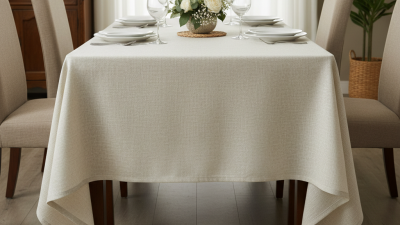
Choosing the best Lace Tablecloth for wholesale buyers requires more than attractive photography. It demands measurable quality, dependable supply, and a clear understanding of customer use. A dining retailer may need soft cotton lace for weddings, while a hospitality buyer may prioritize stain resistance and repeated washing. The right product must perform beyond the showroom.
Industry data provides useful context. Grand View Research reported that the global home textiles market was valued at approximately USD 133 billion in 2022. It also projected continued growth through 2030. Textile Exchange’s Materials Market Report 2024 recorded global fiber production at about 124 million tonnes in 2023. These figures highlight two purchasing pressures: expanding demand and closer material scrutiny. However, broad market reports rarely explain whether a lace edge will unravel after ten washes. That gap matters.
Wholesale buyers should examine fabric composition, GSM, lace density, finished width, pattern repeat, shrinkage, colorfastness, and minimum order quantity. Requesting pre-production samples is practical. Testing one sample on a real six-person table can reveal uneven drape, weak hems, or a pattern that looks crowded. Small details matter.
A lower unit price can become expensive after returns, repacking, or delayed shipments. Supplier experience should be verified through factory audits, test reports, production photographs, and consistent sample results. Certifications may support trust, but they do not replace physical inspection. No single report identifies the perfect tablecloth. This guide therefore compares appearance, durability, cost, and supply reliability. Some recommendations may remain imperfect, because buyer priorities differ. That is worth acknowledging.
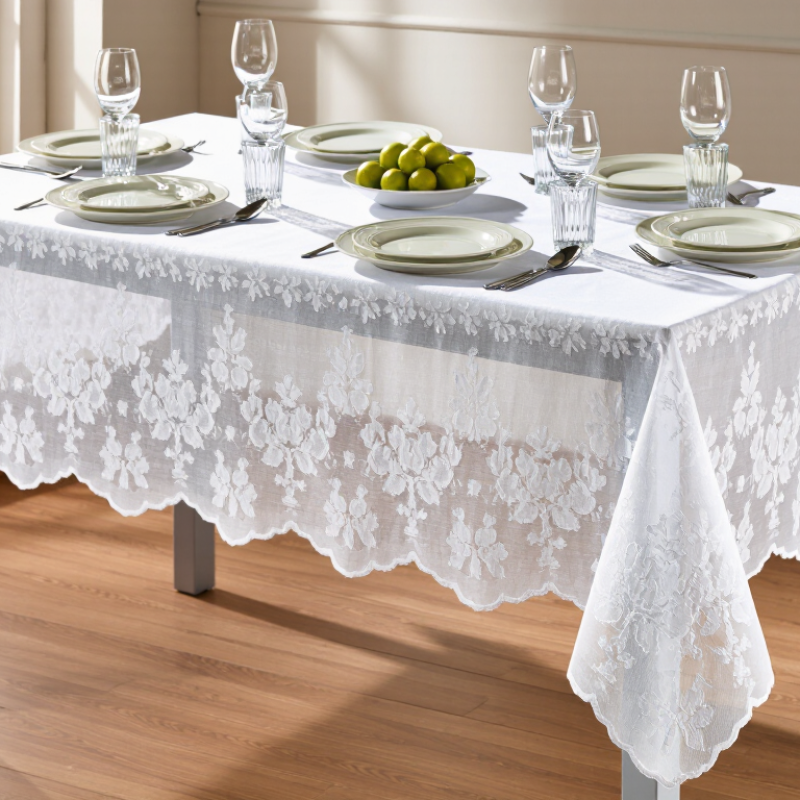
Wholesale buyers can choose from several lace tablecloth types, each serving a different market. Cotton lace offers a soft, breathable texture and suits weddings, dining rooms, and handmade-style events. Polyester lace is more practical for repeated orders because it resists wrinkles and dries quickly. It may feel less natural, though. That trade-off matters.
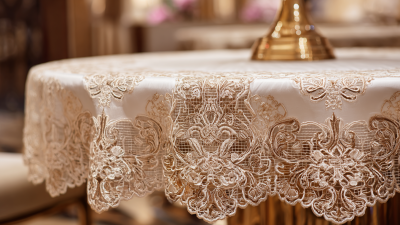
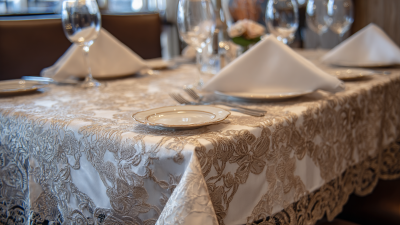
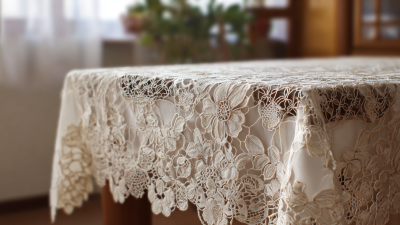
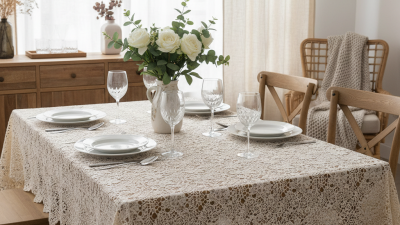
Crochet lace tablecloths bring visible texture and a handcrafted appearance. They work well for rustic venues, boutique décor shops, and seasonal collections. Embroidered lace adds raised patterns, such as flowers, leaves, or geometric borders. These details can increase perceived value, but they may also raise production costs. Lace overlays are another flexible option. Buyers can place them over plain cloths to create different looks without stocking many full tablecloths.
Tips: Check fabric weight, edge finishing, and actual measurements before placing a bulk order. A 90-inch cloth may shrink slightly after washing. Request a sample and test it on a standard table. Inspect stitching around corners and openings. Also compare folding space, packaging, and care instructions. White lace photographs beautifully, but ivory can hide small stains better. I once underestimated storage volume; folded lace needs more room than expected. Wholesale decisions are rarely based on appearance alone. Suppliers should provide consistent sizing, color information, and washing guidance for reliable purchasing.
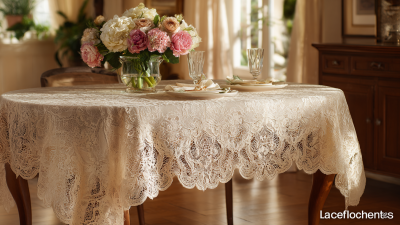
Common finished-size formats help wholesale buyers compare lace tablecloth options for different table shapes and event applications.
Round lace tablecloths are widely used for banquet and wedding tables, while square styles suit compact dining tables and display surfaces. Rectangular lace tablecloths offer the broadest length range and are practical for long banquet tables. Common lace options include floral lace, embroidered lace, crochet lace, and lace-overlay designs; buyers should match the finished dimensions with the table size and desired drop length.
Material choice affects cost, appearance, durability, and customer satisfaction. Polyester lace is usually practical for wholesale orders. It resists wrinkles, dries quickly, and handles repeated washing. Cotton lace feels softer and looks more natural, but it may shrink or require careful pressing. Linen blends offer texture and breathability, although their price can vary sharply.
I have found that fabric weight matters more than appearance alone. A very light cloth may look elegant on a sample table, then tear during packing.
The weave should match the intended use. Floral patterns suit weddings and dining displays, while geometric weaves often fit modern venues. Check whether the lace is knitted, woven, or embroidered onto a base fabric.
Woven lace usually holds its shape better. Examine the hem closely. A narrow, secure hem reduces fraying during repeated handling.
Strong stitching around corners also prevents early damage. Some suppliers overlook this detail. That mistake becomes expensive when customers report loose threads.
Tips:
Request a pre-production sample and wash it before approval. Measure shrinkage after drying. Rub the surface lightly to check shedding and color transfer. Review the edge finish under bright light. Ask for fabric composition, weight, care instructions, and carton details. Keep a small inspection record for every shipment. It may seem excessive, but memory is unreliable. Also, allow slight pattern variation in handmade-looking designs, because perfect uniformity is not always realistic.
For wholesale buyers, the best lace tablecloth is not always the most decorative option. It must fit tables consistently and survive repeated handling. Measure table length, width, and diameter before ordering. An eight- to twelve-inch drop suits many dining tables, while banquet settings may need a longer drop. Check whether the fabric may shrink after washing. Leave room for error.
Design should match the buyer’s market and the table’s purpose. Floral lace may suit weddings, while geometric patterns can work for restaurants or rental services. Examine the pattern repeat carefully. Uneven repeats can look obvious across several tables. Confirm the actual color under natural light. Digital images can mislead. Request a physical sample before approving bulk production.
Quality depends on more than thread count. Inspect the hem, edge binding, stitching, and lace openings. Look for loose threads, weak knots, and uneven tension. Record the fiber content and fabric weight. Then wash the sample three to five times, following the intended care method. Measure shrinkage, fading, pilling, and stretching afterward. Test the cloth on a real table, not only on a flat workbench. A single sample can mislead. I would also rub the lace against a rough surface, because warehouse movement may cause snags. Packaging matters too; compressed or damp storage can damage delicate edges before delivery. Some buyers overlook this point.
The best lace tablecloth for wholesale buyers is rarely the cheapest option. It should balance price, minimum order quantity, and customization. Grand View Research valued the global home textiles market at about USD 133 billion in 2022. Its report also projects steady growth through 2030. This suggests continued demand, but buyers still need disciplined purchasing. A practical choice is durable polyester lace for repeated events, while cotton blends suit premium dining settings.
Request tiered pricing at 100, 300, and 1,000 pieces. Compare landed cost, sampling fees, packaging, and delivery time. MOQ matters because excess stock can erase a low unit price. Custom sizes, scalloped edges, logos, or special colors may require separate setup charges. Textile Exchange’s 2024 Materials Market Report reported polyester as the largest fiber category globally in 2023. That supports its availability, but recycled content, shrinkage, and washing performance require verification. I would not trust a sample alone. Production quality can vary.
Tips: Ask for a pre-production sample. Confirm dimensions after washing. Require colorfastness and seam checks. Negotiate mixed colors only when the supplier allows it. Keep the first order modest, even if the price feels tempting. A small mistake is cheaper to correct.
| Lace Tablecloth Type | Typical Material | Common Sizes | Indicative Wholesale Price* | Typical MOQ | Customization Options | Estimated Production Lead Time | Durability & Care | Best Fit for Wholesale Buyers |
|---|---|---|---|---|---|---|---|---|
| Polyester Crochet Lace | 100% polyester yarn or polyester lace fabric | 90 × 90 cm 140 × 180 cm 180 × 300 cm |
US$3.00–8.00 per piece | 100–300 pieces per size or color | Color matching, custom dimensions, edge patterns, private labels, packaging | 20–35 days after sample approval | Machine washable; good wrinkle resistance; suitable for frequent commercial use | Hotels, event rental companies, restaurants, and value-focused retailers |
| Cotton Lace Tablecloth | 100% cotton or cotton-rich lace fabric | 90 × 90 cm 130 × 180 cm 150 × 250 cm |
US$6.00–16.00 per piece | 100–200 pieces per design | Custom color, embroidery, scalloped edges, woven labels, gift packaging | 25–45 days after sample approval | Soft hand feel and breathable; may shrink if washed at high temperature; low-temperature drying recommended | Home décor stores, farmhouse collections, wedding retailers, and premium gift shops |
| Polyester Guipure Lace | Polyester lace with a heavier openwork pattern | 90 × 90 cm 140 × 200 cm 180 × 350 cm |
US$8.00–22.00 per piece | 100–250 pieces per pattern | Pattern development, custom borders, color matching, cutwork placement, packaging | 30–50 days after design confirmation | Structured appearance; resists stretching better than lightweight lace; gentle machine wash recommended | Bridal suppliers, formal dining collections, banquet venues, and upscale retailers |
| Embroidered Lace Overlay | Polyester or cotton base with embroidered lace details | 90 × 90 cm 130 × 180 cm 150 × 300 cm |
US$10.00–28.00 per piece | 100–200 pieces per design | Embroidery motifs, thread colors, border width, logo embroidery, custom packaging | 35–55 days after artwork approval | Decorative and high value; should be washed on a delicate cycle to protect embroidery | Special-occasion collections, wedding décor, boutique retailers, and seasonal promotions |
| Lace-Trimmed Table Runner | Polyester, cotton, or linen-blend base with lace trim | 30 × 180 cm 35 × 200 cm 40 × 250 cm |
US$2.50–9.00 per piece | 150–300 pieces per color | Base fabric, trim style, length, width, color, label, and retail packaging | 20–35 days after sample approval | Easy to merchandise and store; care requirements depend on the base fabric and lace trim | Gift shops, tableware retailers, holiday collections, and online sellers |
| Linen-Blend Lace Tablecloth | Linen-cotton or linen-polyester blend with lace detailing | 130 × 180 cm 150 × 250 cm 180 × 300 cm |
US$12.00–30.00 per piece | 100–200 pieces per color or size | Blend specification, dye color, lace placement, embroidery, labels, and packaging | 30–50 days after sample approval | Natural texture and premium appearance; may require gentle washing and ironing | Premium home-textile retailers, hospitality projects, and curated interior collections |
| Round Lace Tablecloth | Polyester, cotton, or blended lace fabric | Ø 120 cm Ø 150 cm Ø 180 cm Ø 220 cm |
US$5.00–20.00 per piece | 100–250 pieces per size | Diameter, border depth, central motif, color, fabric composition, and packaging | 25–45 days after size confirmation | Designed for round tables; polyester versions offer easier care and better repeat-use performance | Event rental services, banquet venues, cafés, and retailers serving round-table customers |
| Custom Cut-to-Size Lace Cloth | Polyester, cotton, linen blend, or mixed-fiber lace fabric | Made to buyer specification; common widths are 90–180 cm | US$8.00–35.00 per piece | 200–500 pieces per specification | Full-size development, custom pattern, edge finish, color, fabric blend, labeling, and packaging | 40–70 days, including sample and production approval | Performance depends on fiber content and construction; a pre-production wash test is recommended | Large retail programs, hospitality contracts, coordinated décor projects, and private-label collections |
Choosing the best lace tablecloth starts with your target market, not the lowest price. A wedding supplier may prefer ivory lace with floral edges and a soft drape. Restaurant buyers often need darker colors, stronger stitching, and easy cleaning. Home décor retailers may value delicate patterns, seasonal shades, and gift-ready packaging. Study the buyer’s setting carefully. A six-inch drop can look elegant on a small café table but unfinished on a banquet table.
Material affects both appearance and repeat orders. Cotton lace feels warm and photographs beautifully, while polyester blends usually resist wrinkles and dry faster. Ask for samples before placing a large order. Check the hem, thread tension, odor, transparency, and shrinkage after washing. I once approved a fabric by appearance alone. It looked excellent under showroom lights but felt too thin in daylight. That mistake changed my inspection process.
Wholesale buyers should compare size consistency, color batches, packing methods, and production capacity. A reliable supplier should provide clear measurements and realistic delivery estimates. Request several samples from different production lots when possible. Small differences matter. Some markets accept handmade variation, while hotel and event buyers expect uniform pieces. Consider customer feedback, too. A lace pattern may look luxurious online but snag easily during setup. Test the cloth on real tables, with plates, chairs, and repeated handling. The best choice is attractive, practical, and suitable for the habits of your intended customers.