Leave Your Message

Top Bathroom Curtains for Hotels and Homes?

Choosing the right Bathroom Curtains can change how a hotel suite or family bathroom feels within minutes. The best options balance privacy, moisture control, cleaning needs, and visual comfort. A curtain should not cling to wet skin, drag across the floor, or release a strong chemical smell after installation.

In hospitality spaces, durability matters more than a fashionable pattern alone. Hotel bathrooms face repeated washing, hurried cleaning, and constant humidity. Polyester blends, tightly woven fabrics, and mildew-resistant treatments often perform well when properly maintained. However, no fabric is maintenance-free. Even premium Bathroom Curtains need regular laundering, complete drying, and inspection around the hem and eyelets.

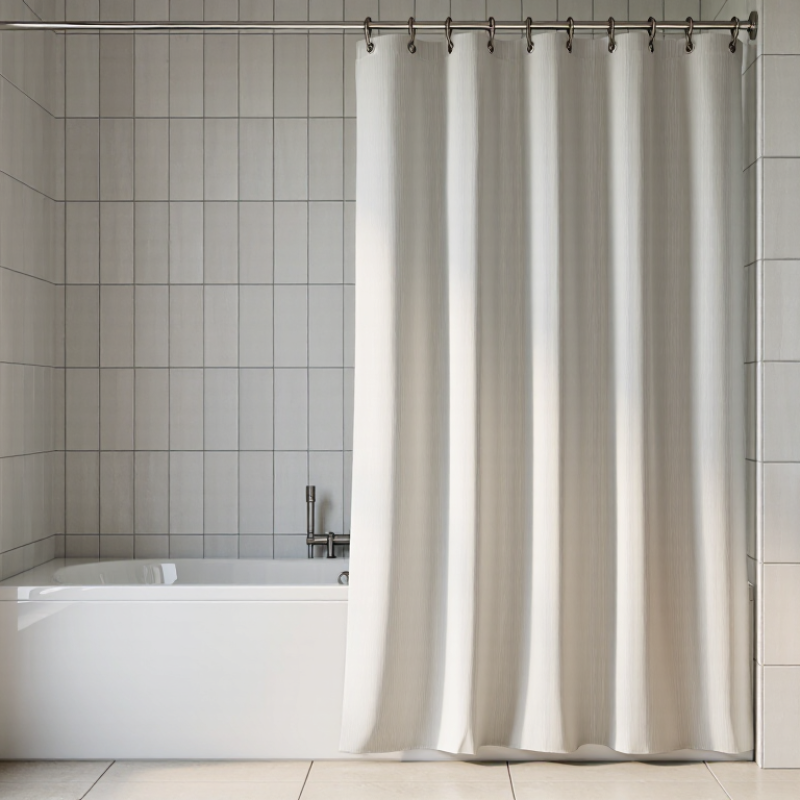
Interior designer and wellness design expert Jamie Gold expresses a useful principle: “A bathroom should support both physical comfort and emotional calm.” That idea applies directly to curtain selection. Soft neutral colors can make a compact bathroom feel quieter, while textured white fabric may provide a clean, reliable hotel appearance. At home, washable cotton blends can add warmth, though they may dry more slowly than synthetic materials.

Small details reveal quality. A weighted hem can reduce movement near the shower. Rust-resistant rings help protect tiled walls from stains. Correct measurements prevent awkward gaps and puddling. Still, choosing purely by appearance is an easy mistake. Some beautiful curtains fade quickly, collect moisture, or become difficult to clean. This guide compares practical Bathroom Curtains for hotels and homes, while recognizing that the “best” choice depends on traffic, ventilation, budget, and daily habits.
Top Bathroom Curtains for Hotels and Homes?

Bathroom Curtain Types for Hotels and Homes

Bathroom Curtain Types for Hotels and Homes

Choosing the right bathroom curtain depends on traffic, moisture, cleaning routines, and room style. Fabric curtains create a softer, residential feel and work well in guest bathrooms. Polyester is practical because it dries quickly and resists everyday wrinkles. A waterproof liner adds protection behind the decorative layer. PEVA or vinyl curtains offer stronger water resistance and simple wipe-clean maintenance. They suit busy hotel bathrooms, although some materials may feel less comfortable and become brittle over time.

Hotels often need commercial-grade curtains with reinforced holes, rust-resistant hooks, and weighted hems. These details reduce shifting and help prevent water from reaching the floor. A washable fabric curtain can support a cleaner room when staff follow the care instructions consistently.

For homes, patterned fabric, textured weave, or a clear curtain can match different levels of privacy and natural light. Clear panels can brighten a small shower. They show water spots easily.

I once preferred a thick curtain for privacy, but it made a narrow bathroom feel darker. That choice looked good online and worked poorly in practice.

Measure the rod, shower width, and floor clearance before buying. Curtains should hang inside the tub or shower area without dragging. For hotels, verify cleaning compatibility, flame-performance requirements, and relevant local standards with the supplier. For homes, inspect seams and the bottom hem after several washes. Small defects become annoying quickly. Good curtains are not only attractive; they should dry, hang, and clean reliably.
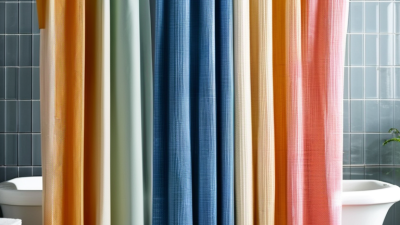
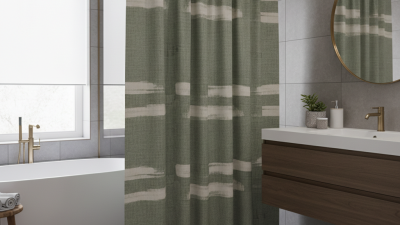
Key Materials and Their Performance Differences

Top Bathroom Curtains for Hotels and Homes?

Material choice controls drying speed, water shedding, cleaning effort, and replacement frequency. Polyester fabric is a practical hotel option because it dries quickly and tolerates repeated laundering. Textile Exchange’s Materials Market Report 2024 estimates polyester represented about 57% of global fiber production in 2023. That scale supports availability, but it does not prove superior hygiene. Testing and maintenance still matter.

PEVA and PVC-coated curtains resist splashes well and wipe clean after busy morning use. However, a coated surface can feel stiff, crease easily, or trap moisture along the hem. PEVA avoids chlorine-based plastic chemistry, yet its environmental profile still depends on production and disposal. Cotton looks warmer in a home bathroom, but it absorbs water and needs more drying space. Poor ventilation makes that weakness obvious. Very obvious.

The U.S. Environmental Protection Agency recommends indoor relative humidity between 30% and 50%, with levels below 60% to discourage moisture problems. A curtain cannot correct a damp room. Choose washable polyester for frequent hotel turnover, and consider a liner where spray is heavy. Check seam strength, reinforced eyelets, and shrinkage instructions before purchase. AATCC 22 water-repellency testing can help compare surface performance, although shower use also depends on weave, coating, and installation. I would not rely on “mildew-resistant” wording alone; independent test details are often missing.

Top Bathroom Curtains for Hotels and Homes? - Key Materials and Their Performance Differences

Material Water Resistance Drying Speed Durability Mildew and Odor Management Care Requirements Best Fit Key Trade-Off
Polyester Fabric Good when tightly woven or treated; usually used as a liner or decorative curtain. Fast to moderate, depending on fabric weight and ventilation. Good resistance to stretching, shrinking, and wrinkling. Dries more reliably than absorbent natural fabrics; still requires airflow. Usually machine washable; follow the care label and avoid excessive heat. Hotels, rental properties, family bathrooms, and frequent washing. May need a separate waterproof liner for heavy splash protection.
PEVA Very good; forms a water-resistant barrier and does not absorb much water. Fast because the surface is non-absorbent. Moderate; can crease, tear, or develop stress marks with rough handling. Good when spread flat after use; stagnant moisture can still cause buildup. Wipe clean with mild soap and water; avoid harsh solvents and high heat. Budget-conscious homes and shower liners with light to moderate use. Less textile-like appearance and generally less tolerant of heat than fabric.
PVC Vinyl Excellent; highly effective as a waterproof shower liner. Fast on the surface, although trapped water can remain around folds. Good resistance to water and frequent use; may become brittle with age or heat. Resists water penetration, but soap residue and poor ventilation can support surface growth. Regular wiping is recommended; do not machine wash unless specifically permitted. High-splash hotel showers, shared bathrooms, and heavy-duty liner applications. Less breathable and less environmentally preferable than reusable textile options.
Cotton Low to moderate unless coated or paired with a waterproof liner; absorbs moisture. Slowest among the common curtain materials when heavily wetted. Good textile strength but may shrink or wrinkle if washed and dried at high temperatures. Needs strong ventilation and complete drying to reduce mildew risk. Machine washable; laundering frequency is important in humid bathrooms. Decorative home bathrooms with a separate waterproof liner. Absorbs water and is not ideal as a stand-alone shower barrier.
Linen or Linen Blend Low to moderate; typically selected for appearance rather than waterproofing. Moderate; natural fibers can retain moisture until fully aired. Good durability, with natural creasing and possible shrinkage if poorly cared for. Requires regular washing and ventilation in damp environments. Use gentle washing and controlled drying; check the blend's care instructions. Design-focused homes and hospitality spaces using a waterproof liner. Higher moisture absorption and more visible wrinkling than synthetic fabrics.
Nylon Good to very good when tightly woven or coated; naturally absorbs little water. Fast due to low moisture absorption. Very good tensile strength and abrasion resistance; avoid excessive heat. Dries quickly, but cleaning and airflow are still necessary in humid rooms. Usually easy to wash; use low-temperature settings and avoid high-heat drying. High-use bathrooms where strength and quick drying are priorities. Can have a less natural appearance and may be sensitive to prolonged heat exposure.
Recycled Polyester Good when tightly woven or treated; performance is comparable to conventional polyester of similar construction. Fast to moderate, depending on weight, weave, and bathroom ventilation. Good resistance to wrinkling and dimensional change when properly manufactured. Quick drying helps reduce prolonged dampness; routine washing remains necessary. Usually machine washable; use the product's recommended temperature and cycle. Homes and hotels seeking a reusable textile with recycled content. Recycled content does not by itself guarantee lower total impact; lifespan and care also matter.

Performance depends on fabric weight, weave density, coatings, ventilation, washing frequency, and installation. A waterproof liner is recommended for absorbent decorative curtains used inside the shower area.

How to Choose the Right Curtain Size and Design

Choosing the right bathroom curtain begins with accurate measurements. Measure the rod from end to end, then add 20 to 30 centimeters for comfortable overlap. A curtain that is too narrow leaves wet gaps near the wall. A curtain that is too wide gathers heavily and may dry slowly.

Measure from the rod to the floor or tub edge. Keep the curtain about two centimeters above the floor. For a standard bathtub, a length near 180 centimeters often works, but unusual ceilings need a custom check. In hotels, curtains should cover the full bathing area and allow easy replacement. At home, movement and cleaning matter more. Measure twice.

Material affects comfort and maintenance. Polyester dries quickly and resists everyday splashes. A fabric curtain can feel warmer, but it may need frequent washing. Use a washable liner when moisture collects around the lower edge. Choose reinforced holes, rust-resistant rings, and a weighted hem for better control. Test the curtain after installation. It should close without pulling the rod or touching the toilet.

Design should support the room, not overpower it. Light colors can make a small bathroom feel more open. Simple patterns hide minor water marks, though bold prints may become tiring. I once chose a curtain by appearance alone, then noticed poor airflow and mildew near the hem. That mistake changed my approach. Check drying time, seam quality, and cleaning instructions before trusting a stylish design.

Top Bathroom Curtains for Hotels and Homes: Choosing the Right Size

Standard shower curtains are commonly available in 72 × 72 inches, while stall curtains are typically narrower at 54 × 78 inches. Extra-long curtains, often 72 × 84 inches, are suitable for taller shower spaces. Extra-wide curtains, such as 108 × 72 inches, provide greater coverage for open or hotel-style bathrooms. Choose a curtain that extends beyond both sides of the shower area and hangs close to the floor without touching it.

Essential Features for Hygiene, Privacy, and Durability

A good bathroom curtain must manage moisture, privacy, and repeated daily use. In hotel bathrooms, I look for a tightly woven, quick-drying fabric that does not stay damp after morning showers. A weighted hem helps the curtain remain closed, even when ventilation is weak. For homes, washable polyester is often practical because it handles frequent cleaning without feeling overly heavy. The fabric should block clear outlines under bright bathroom lighting.

Hygiene depends on design, not only on cleaning products. Choose curtains with smooth surfaces and fewer decorative folds, where soap residue can collect. A machine-washable material makes routine care easier. Reinforced top holes and rust-resistant grommets also matter. They prevent tearing and staining around the shower rod. However, “mildew-resistant” claims should be checked carefully. They are not a substitute for drying and ventilation.

Durability becomes visible at the seams. I once replaced a curtain that looked attractive but split after several months of pulling. That mistake changed how I judge bathroom textiles. Strong stitching, a secure hem, and accurate sizing usually matter more than appearance. Leave enough overlap to protect the floor and preserve privacy. A curtain that is too short may dry quickly, but it can still create a wet, slippery area. In busy hotels, staff should inspect the lower edge, rings, and mounting points during regular room checks. Small failures become expensive when ignored.

Care, Maintenance, and Replacement Guidelines

A good bathroom curtain should resist water, dry quickly, and remain easy to inspect. In homes and hotels, daily care often matters more than the curtain’s original price. I have found that trapped moisture creates trouble first, especially along the lower hem and inside folded seams. Keep the curtain fully spread after each shower. This small habit improves airflow.

Wash fabric curtains according to their care label, using a mild detergent and a gentle cycle. Rinse thoroughly, because leftover soap can make the surface stiff and attract dirt. Hang the curtain immediately. Do not leave it bunched on the floor. For plastic or coated curtains, wipe both sides with warm water and a soft cloth each week. A diluted cleaner may help, but test it on a hidden area first. Avoid harsh scrubbing. It can damage the water-resistant finish.

Inspect the curtain every month for mildew, split seams, rust stains, or a cracked header. Hotel teams should record these checks, while homeowners can use a simple calendar reminder. Replace the curtain when cleaning no longer removes odor or discoloration. Replace it sooner if the material tears, sheds coating, or no longer hangs securely. A perfect replacement schedule does not exist. Humidity, ventilation, and washing frequency change the answer. I once kept a curtain too long because it looked acceptable from a distance. Up close, the hem had weakened. That was a useful reminder: appearance alone is not a maintenance standard.